
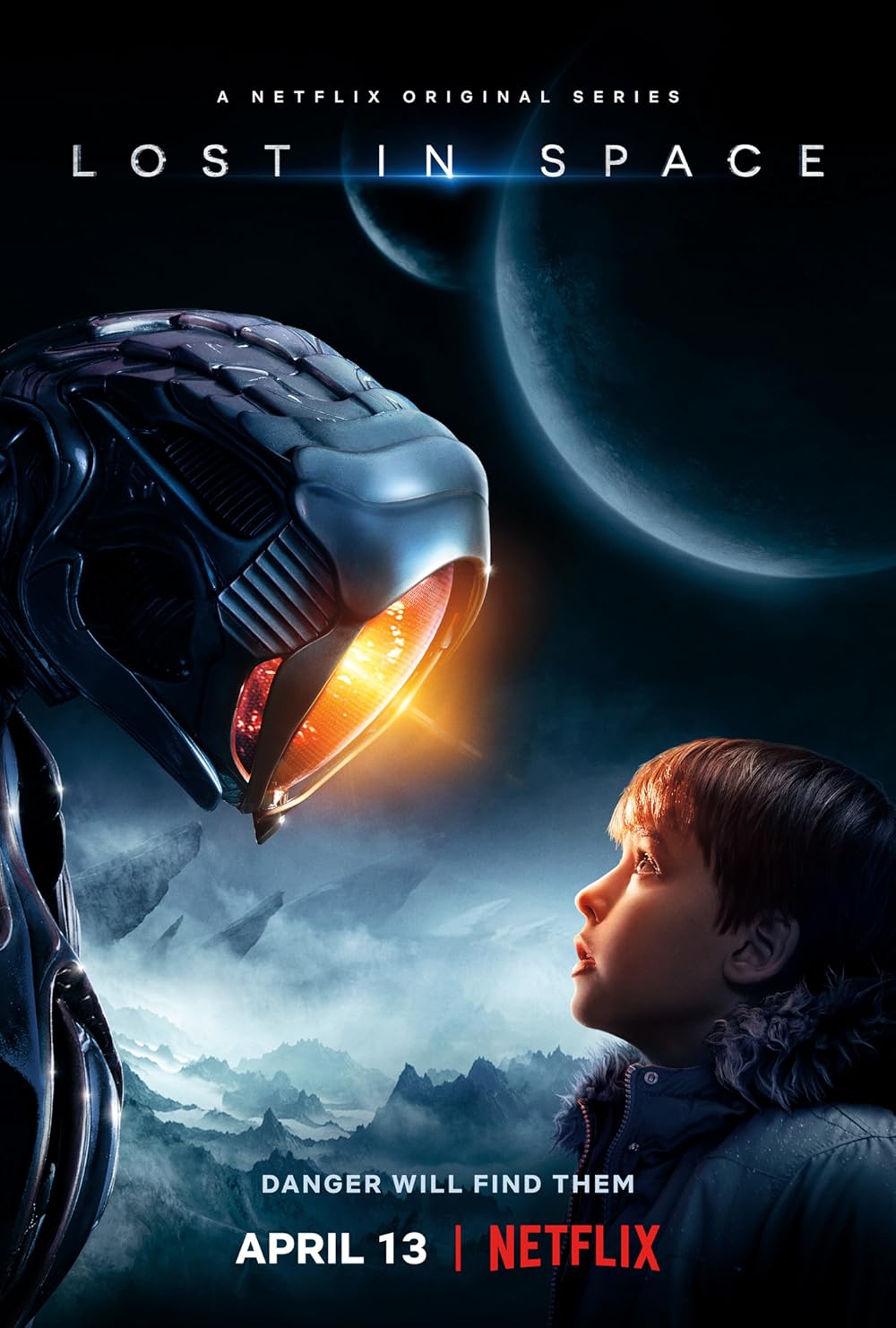
Hello, everyone! How’s everything? Today, I’m excited to share my thoughts on the series Lost in Space, which expertly revitalizes the classic 1960s sci-fi show for today’s viewers with breathtaking visuals, engaging family dynamics, and gripping survival narratives.
Advertisements
Lost in Space debuted on Netflix on April 13, 2018, presenting 28 episodes over three seasons until its conclusion on December 1, 2021. Each episode runs about 50-60 minutes, making it ideal for immersive binge-watching. This Netflix original reboot follows the Robinson family as they become marooned on an alien world after their colony ship is diverted, compelling them to collaborate in order to endure hostile conditions while searching for a route back to their initial destination.
The series skillfully modernizes the cherished 1960s concept with contemporary storytelling and production quality that rivals major films. Unlike many reboots that simply recycle old formulas, Lost in Space reinterprets the fundamental idea with richer character development, authentic family relationships, and real stakes that engage viewers with each survival hurdle. The show retains the essence of the original while crafting something entirely new and pertinent for today’s audience.
What distinguishes this Netflix reboot is its dedication to anchoring fantastical sci-fi concepts in real human emotions and connections. The Robinson family resonates as genuine individuals confronting extraordinary situations, grappling with both external dangers and internal conflicts that challenge their ties. Lost in Space demonstrates that the finest science fiction utilizes futuristic settings to delve into timeless themes of family, sacrifice, and the meaning of home.
John and Maureen Robinson: Navigating Leadership Under Pressure
Toby Stephens and Molly Parker deliver remarkable performances as John and Maureen Robinson, parents who must face not only alien threats but also the intricacies of guiding their family through crises while preserving their marriage. Their relationship in Lost in Space illustrates how extreme situations can simultaneously strengthen and challenge partnerships, as they confront choices that balance survival with ethical considerations. John’s military background and Maureen’s scientific knowledge create a dynamic where both parents contribute vital skills while learning to trust each other’s decisions.
The series excels at portraying how parental roles evolve when traditional frameworks collapse. Both John and Maureen must adjust their strategies to safeguard their children while permitting them the autonomy needed for survival, creating genuine family tensions that resonate beyond the sci-fi context.
The Robinson Kids: Maturing Amidst the Ultimate Adventure
Maxwell Jenkins, Taylor Russell, and Mina Sundwall bring the Robinson children to life as Will, Judy, and Penny, each encountering distinct challenges that test their personal strengths and familial bonds. Will’s unique connection with the enigmatic Robot delivers some of the series’ most heartfelt moments, while Judy’s medical skills make her crucial to the family’s survival efforts. Penny’s transformation from a reluctant participant to an essential team member highlights how crises can unveil hidden potentials.
The chemistry among the siblings feels genuine, especially during times they must unite despite typical teenage disagreements. Lost in Space never condescends to its younger characters, instead illustrating how extraordinary situations can accelerate maturity while preserving the core traits that make each child unique and valuable to the family.
Dr. Smith: The Ultimate Wildcard in Survival
Parker Posey’s reinterpretation of Dr. Smith shifts the character from a campy antagonist to a psychological manipulator whose presence generates ongoing tension and unpredictability. Her portrayal adds complexity to Lost in Space by presenting someone whose instinct for survival often clashes with the group’s best interests. Dr. Smith’s interaction with the Robinson family exemplifies how trust can be both vital and perilous when survival hinges on collaboration.
This character serves as a constant reminder that human nature can be just as dangerous as any alien creature, creating moral dilemmas that compel the Robinson family to reevaluate their values while fighting for their lives.
The Final Season: A Grand Conclusion
The series reaches its emotional and narrative zenith in the third season as all plotlines converge towards the ultimate fate of the Robinson family. Lost in Space fulfills every promise made throughout the series, offering satisfying conclusions to character arcs while maintaining the high-stakes action and emotional depth that made the show exceptional. The final episodes illustrate how the family’s individual growth has equipped them for their greatest challenges.
Rather than simply providing easy solutions, the ending examines how the Robinson family’s experiences have fundamentally transformed them and how they choose to utilize those changes to assist others facing similar adversities.
Netflix Success Story
Lost in Space emerged as one of Netflix’s most successful sci-fi series during its three-season journey from 2018 to 2021, garnering critical acclaim for its visual effects, performances, and thoughtful approach to revising classic material. The series demonstrated that audiences still crave family-centered adventure tales that blend spectacular sci-fi elements with authentic emotional stakes. Each episode delivered cinematic-quality production values with narratives that balanced action, character development, and scientific problem-solving in ways that appealed to both adult and younger audiences. Lost in Space showcased Netflix’s capacity to create high-quality original content that respects cherished properties while establishing its unique identity, setting a high benchmark for how classic series can be effectively modernized for contemporary viewers.
Ideal for Family Sci-Fi Adventure Enthusiasts
If you enjoy family dynamics, space exploration adventures, and survival tales that merge stunning visuals with profound character arcs, Lost in Space is the perfect show to binge on Netflix. The series excels because it never loses sight of the fact that the best sci-fi adventures ultimately revolve around the relationships that support us through impossible trials.
Reasons to Give This Reboot Your Full Attention
Lost in Space illustrates that the finest reboots do not merely enhance special effects and production quality; they discover new avenues to explore the timeless themes that have ensured the original concept’s longevity. This Netflix series respects its source material while creating something entirely its own, providing a viewing experience that will leave you both emotionally fulfilled and eager for humanity’s next great journey among the stars.
Series Overview
Number of Episodes: 28 episodes (3 seasons, completed series)
Platform: Netflix
Release/End Year: 2018-2021
Current IMDb Rating: 7.3/10
Genre: Sci-Fi Adventure, Family Drama
Status: Completed series
Main Characters: Toby Stephens (John Robinson), Molly Parker (Maureen Robinson), Maxwell Jenkins (Will Robinson), Taylor Russell (Judy Robinson), Mina Sundwall (Penny Robinson), Parker Posey (Dr. Smith), Ignacio Serricchio (Don West)
Supporting Characters: Brian Steele (Robot), various alien creatures and fellow space colonists