
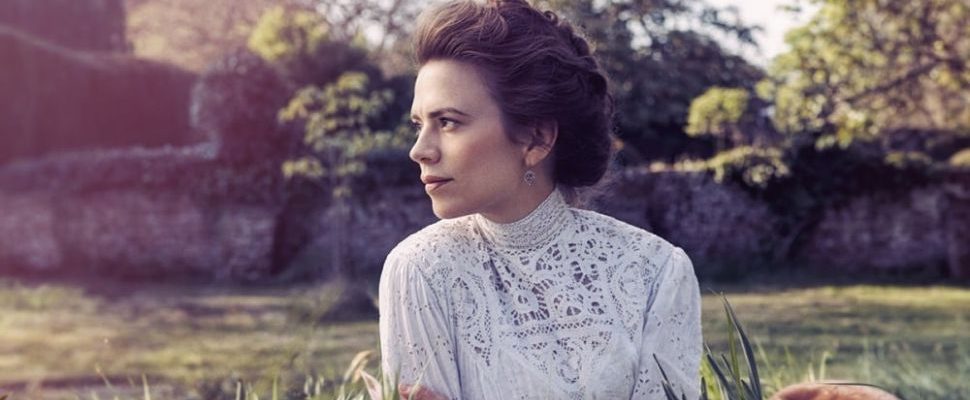
Hey there, friends! So, have you ever wondered how a classic novel can come to life on screen? Well, I just checked out the drama Howards End, and let me tell you, it’s a stunning adaptation of E.M. Forster’s beloved 1910 tale. It dives deep into the class struggles and the journey toward women’s independence in early 20th century England, all while feeling super relevant today.
Advertisements
This miniseries first hit screens on November 12, 2017, featuring four gripping episodes that run about an hour each. Initially aired on BBC One, it later made its way to Starz and PBS Masterpiece, and guess what? You can now catch it on Prime Video, Apple TV, and a bunch of other streaming services! With Kenneth Lonergan at the helm and Hettie Macdonald directing, this production shines thanks to the incredible performances from stars like Hayley Atwell, Matthew Macfadyen, Julia Ormond, and Tracey Ullman.
At its core, the series intricately examines the social and class disparities in early 20th century England by weaving together the lives of three families: the affluent Wilcoxes, the idealistic Schlegels, and the struggling Basts. Set against the backdrop of 1905, we follow the Schlegel sisters—two strong, unconventional women searching for love and purpose in a rapidly changing world. The narrative beautifully intertwines themes of inheritance, social mobility, and the clash between Victorian ideals and the rise of modernity.
What I love about this adaptation is how it strikes a perfect balance between historical authenticity and contemporary feminist viewpoints. Lonergan’s take updates Forster’s observations for today’s audience while staying true to the novel’s insightful look at class, gender, and economic disparities. The show doesn’t shy away from the harsher truths of Edwardian society but also celebrates the progressive spirit of characters who dare to challenge the status quo.
Margaret Schlegel: Seeking Genuine Connection
Hayley Atwell shines as Margaret Schlegel, the older sister who finds herself drawn to Henry Wilcox, despite their vastly different backgrounds and beliefs. Atwell’s performance is a masterclass in capturing Margaret’s intellectual depth and emotional intricacies as she grapples with the tug-of-war between personal desires and her moral compass.
Margaret embodies the spirit of the educated, independent woman of the Edwardian age, refusing to be boxed in by societal expectations while yearning for true connections. Her romance with Henry does highlight how love can transcend class boundaries, but it also reveals the deeply rooted prejudices that can’t be easily brushed aside.
Over the course of these four episodes, we witness Margaret’s journey as she navigates the tough choices that educated women faced—balancing intellectual aspirations with the pursuit of romantic joy. Atwell captures this struggle beautifully, showcasing how Margaret strives to maintain her integrity while dealing with the harsh realities of marriage and societal norms.
Helen Schlegel: An Idealist in Bloom
Then there’s Helen Schlegel, who finds herself infatuated with Paul Wilcox in the spring of 1905, pulling her family deeper into the Wilcox saga. Philippa Coulthard gives life to Helen, the impulsive sister whose romantic adventures fuel much of the series’ tension while grappling with issues like class awareness and social justice.
Helen represents the fiery idealism of youth, believing she can spark societal change through her actions. Her connection with the struggling clerk Leonard Bast showcases both the potential and the limitations of class empathy in the Edwardian world.
Coulthard’s portrayal captures Helen’s transformation from a naive dreamer to someone who grasps the stark realities of social inequality. Her character arc is both heartbreaking and enlightening, demonstrating that good intentions often fall short when tackling systemic issues.
The Wilcox Family: Tradition Meets Change
Matthew Macfadyen and Julia Ormond bring the Wilcox family to life, showcasing their pragmatic materialism that often clashes with the Schlegels’ more idealistic views. The inheritance of Howards End becomes a pivotal point where these contrasting philosophies collide, impacting all families involved.
The Wilcox family isn’t painted as outright villains; instead, they’re depicted as products of their time, genuinely thinking their values represent progress and stability. This layered portrayal makes their interactions with the Schlegels more engaging, as both sides bring valid concerns and blind spots to the table.
The series hits a high emotional note when long-held family secrets come to light, testing the true essence of inheritance—both material and moral. These moments reveal how personal relationships and societal structures intertwine, either perpetuating inequality or paving the way for meaningful change.
Supporting Cast: A Rich Social Fabric
Tracey Ullman adds her signature humor to the mix, balancing the serious social themes with a touch of levity. The supporting characters create a vivid snapshot of Edwardian London’s varied social tapestry, from struggling workers to the elite.
Alex Lawther and Rosalind Eleazar play the Bast family, symbolizing the vulnerable lower-middle class caught between well-meaning interference and systemic inequities. Their performances anchor the series’ social commentary in real human experiences rather than abstract theories.
This ensemble cast crafts a believable world where individual choices carry wider social implications. Each character plays a crucial role in illustrating how class, gender, and economic factors shape destinies while highlighting pathways for progress.
Streaming Success
Critics have really embraced the series, boasting an 88% approval rating and an average score of 7.73 out of 10 from 34 reviews on Rotten Tomatoes. Howards End has shown that with the right approach, literary adaptations can resonate with modern viewers. The mini format allows for rich character development without unnecessary fluff, making it a standout among other period dramas. It premiered in the U.S. on April 8, 2018, bringing this classic tale to American audiences via streaming. Howards End highlights how BBC’s collaboration with global networks can produce high-quality adaptations that honor the original material while addressing today’s social issues.
A Classic Story Revived for Today
If you’re into period dramas that blend literary richness with current social relevance, then Howards End is a must-watch on Prime Video. This isn’t just your average costume drama; it’s a thoughtful dive into class, gender, and societal change that feels incredibly relevant even now.
Why This Forster Adaptation Hits Home
Pros:
- Incredible performances from Hayley Atwell and Matthew Macfadyen, adding depth to complex characters.
- Kenneth Lonergan’s adaptation skillfully updates Forster’s themes for modern audiences without losing the essence.
- Stunning cinematography and authentic period details immerse viewers in Edwardian London.
- The four-episode structure allows for thorough character exploration and pacing without fluff.
- A thoughtful examination of class, gender, and social disparity that resonates with today’s viewers.
Cons:
- With only four episodes, some side characters and subplots don’t get adequate screen time.
- Modern feminist views sometimes clash with the motivations and dialogue of period-appropriate characters.
- The intricate social themes might come off as heavy for those looking for lighter romance.
- Comparisons to earlier adaptations, especially the famed 1992 film, set high expectations.
- The Edwardian setting and British class dynamics might feel distant for international viewers.
Howards End showcases that timeless literary works can be successfully adapted for television when the complexities of the source material are honored alongside contemporary social awareness.
Series Snapshot
- Episodes: 4 episodes (miniseries complete)
- Available On: Prime Video, Apple TV, PBS Masterpiece, BBC iPlayer
- Release Date: 2017-2018
- Current IMDb Score: 7.2/10
- Genre: Period Drama, Romance, Literary Adaptation
- Production: British miniseries (a collaboration between BBC and Starz)
- Status: Miniseries completed
- Main Characters: Hayley Atwell (Margaret Schlegel), Philippa Coulthard (Helen Schlegel)
- Main Antagonist: The social class system and economic disparities, not individual villains.